
Yesterday, it was reported that Uniqlo, the Japanese clothing brand, announced the closure of one of its Asian flagship stores in Myeongdong, Seoul, South Korea, next month, due to the dual impact of the anti-Japanese product boycott movement and the COVID-19 pandemic.
Notably, this store is the second largest in the world after the one in New York. Previously, due to the coronavirus outbreak and trade disputes between Japan and South Korea, Uniqlo's sales dropped significantly. Uniqlo stated on its official website yesterday that its global flagship store in Myeongdong, central Seoul, will cease operations on January 31.
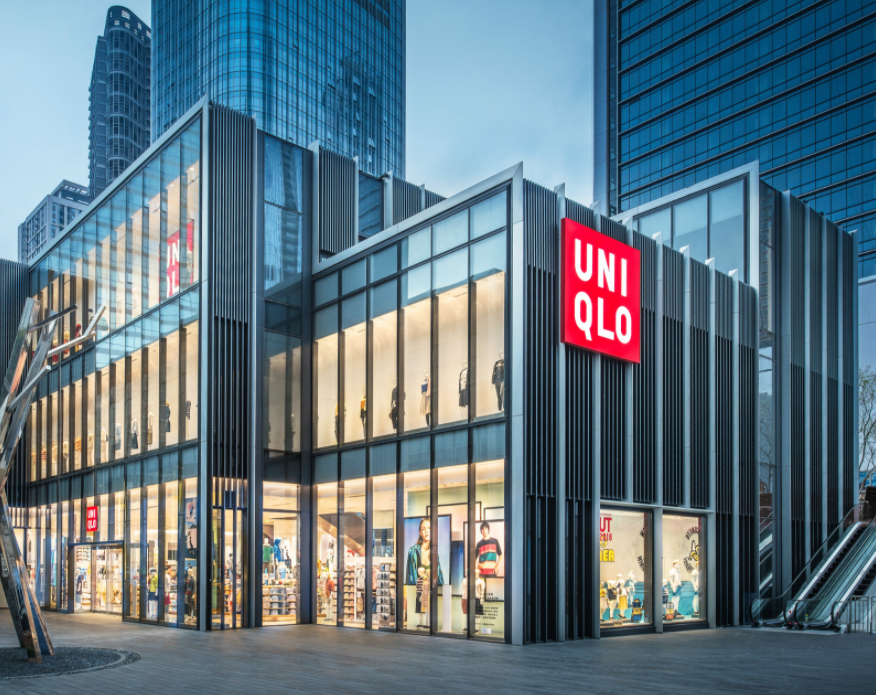
According to data, from September 2019 to August 2020, Uniqlo's operating losses reached 88.3 billion Korean won (approximately $81.3 million). The conflict between Japan and South Korea was the main cause. Since July 2019, South Korean consumers have boycotted Japanese products to protest Japan's export restrictions on key industrial materials shipped to South Korea. In 2018, South Korea's Supreme Court ordered Japanese companies to compensate Korean victims of forced labor during Japan's wartime, after which South Korea imposed trade restrictions.
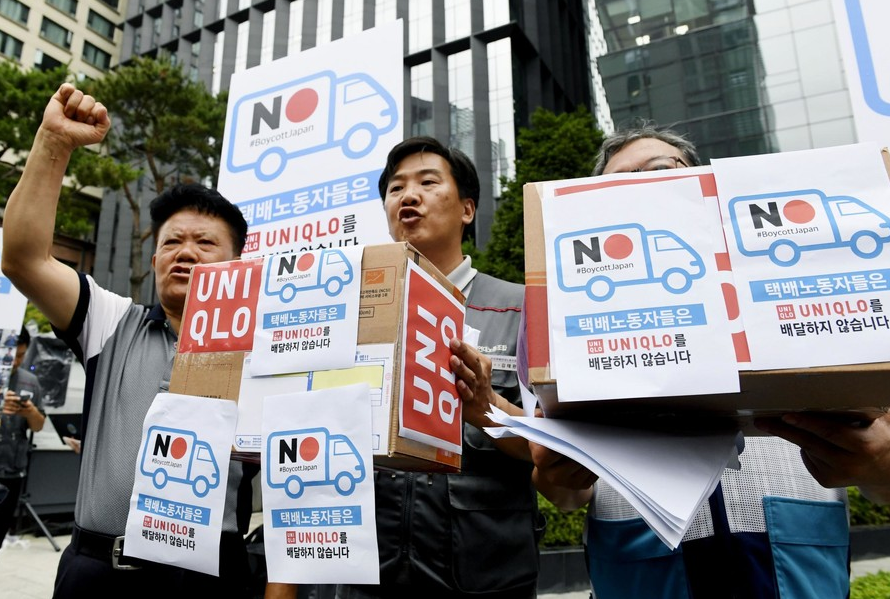
During the COVID-19 outbreak this year, online shopping gained momentum, while the trade dispute between Japan and South Korea further impacted South Korea's online shopping. In stark contrast to the South Korean market, the Chinese market tells a different story. Compared to news of major fast fashion brands withdrawing from China, selling off businesses, or laying off staff, Uniqlo has managed to remain relatively "stable." After the pandemic eased in China, Uniqlo accelerated its store expansion, reaching 767 stores in the country by the end of August. Some media outlets noted that this is the first time Uniqlo has surpassed its 764 directly managed stores in Japan.
Uniqlo founder Tadashi Yanai once publicly stated that the company plans to open more stores in China in the future. Based on China's population, it is estimated that up to 3,000 stores could be opened eventually.